

People-pleasers are some of the most quietly controlling people in the room — and the anxiety driving that is the conversation nobody's having.
About Kori

Kori Strobl spent years giving a cup and hoping for a crumb — and calling it enough. She was generous, emotionally fluent, doing all the work, and quietly exhausted. She knew the people-pleasing conversation inside and out. She was even teaching it. And still, she was waiting for others to confirm that her changes were okay. They weren't. That honest reckoning led her to a framework that goes deeper than boundaries and boldness: to the relational anxiety underneath the behavior, the self-abandonment at its core, and the terrifying, worthwhile work of actually changing. She is the creator of A Recovering People-Pleaser's Guide to Belonging to Yourself, holds a Master's in Spiritual Psychology, and has been coaching privately for over a decade.
who kori speaks to

Kori's conversations meet listeners wherever they are — whether they're just starting to recognize themselves in these patterns or they've been doing the work for years and still can't break them. People consistently say her ideas make them feel seen, like someone finally put words to something they couldn't name.
conversation topics
-
Most people-pleasing content focuses on being too giving, too accommodating, too kind. But the real issue isn't generosity — it's that people-pleasers have learned to extend care to everyone except themselves. This conversation reframes the whole problem and opens up what recovery actually requires.
-
Underneath every people-pleasing behavior is relational anxiety — the fear of losing connection. The popular advice addresses the behaviors, but skips the engine driving them. Until you understand the anxiety, you're just rearranging furniture.
-
People-pleasers attach fast and attach hard — based on how someone feels, not what they can actually show up for. The problem is that capacity takes time to reveal, and people-pleasers actively avoid the tension that would surface it. This conversation changes how people think about attraction, attachment, and who they choose.
-
The most popular advice for people-pleasers is fundamentally misunderstood. Boundaries aren't something you set with another person — they're something you hold yourself. This reframe shifts the entire dynamic from negotiating with others to standing for yourself.
-
People-pleasing content often sells boldness and empowerment as the immediate payoff of doing the work. The truth is messier — and more useful. Real change creates tension in relationships, disappoints people, and feels terrifying before it feels freeing. This conversation is for people who are doing everything right and wondering why it doesn't feel that way yet.
-
People-pleasers don't just bring their patterns to relationships — their patterns often choose their relationships for them. This conversation explores how self-abandonment shapes who we attract, how we attach, and why changing those patterns requires more than just better boundaries.
Podcast Appearances
-
![]()
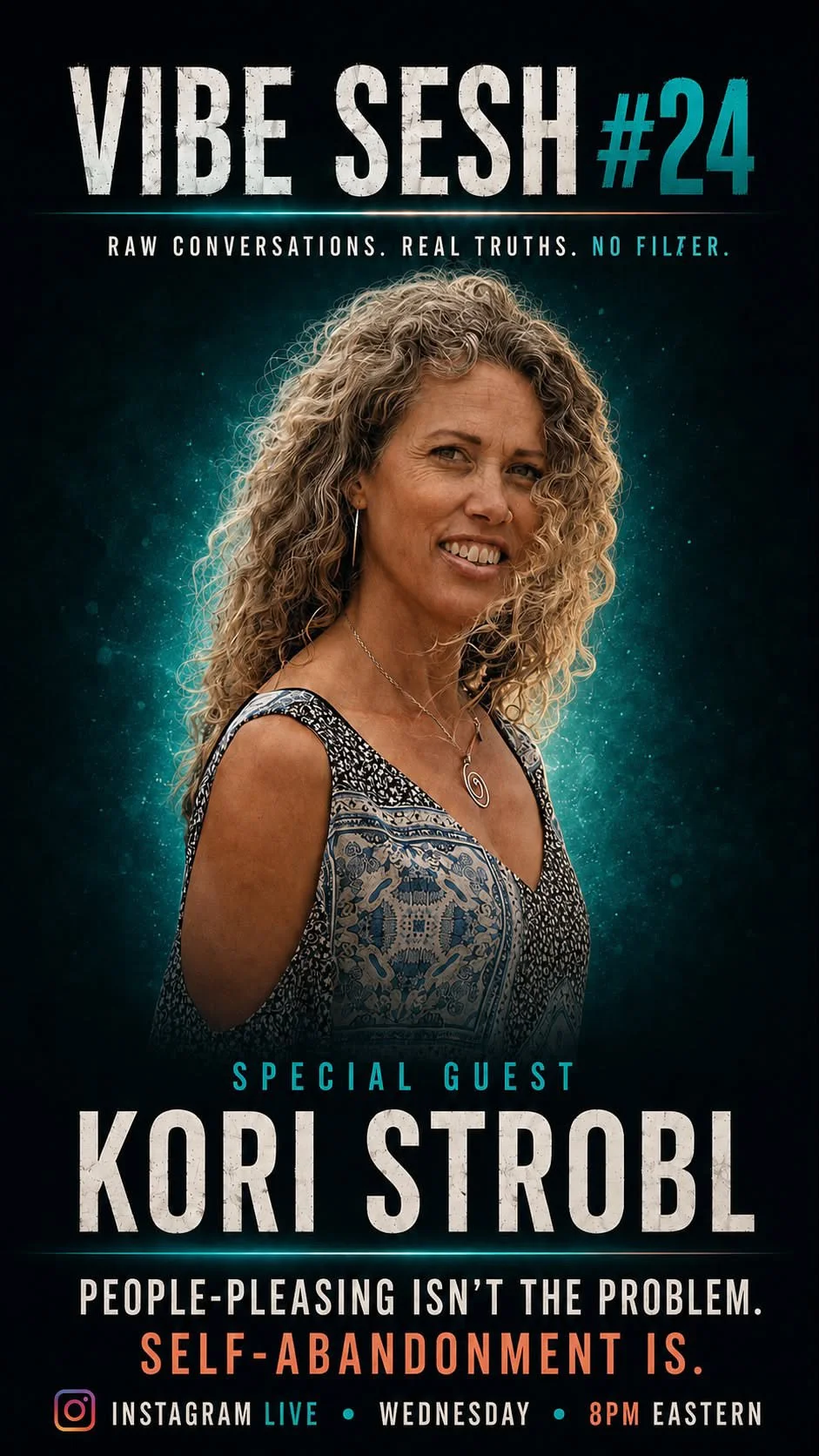
Vibe Sesh Podcast
Listen to the full episode here
People-pleasing looks generous from the outside. Underneath, it can be an attempt to manage everyone else’s feelings so that you never have to feel rejected, unsafe, or alone.
In Vibe Sesh 24, self-leadership and relationship coach Kori Strobl joined Bruno and Cisco for a raw conversation about the anxiety beneath people-pleasing, why insight alone rarely changes us, and how easily chemistry gets mistaken for emotional capacity.
Cisco brought a recent experience with limerence into the room, Kori caught the entire pattern hiding inside one tiny word, and Bruno confronted his own struggle with “algorithm pleasing” while building a growing public community.
The conversation eventually returned to the yoga studio Kori once tried to save, the shame that drove her into hiding, and the emotional work that helped her step back into visibility.
This was not a conversation about becoming selfish or no longer caring about people. It was about learning to care without disappearing.
Released Aug 20, 2026
1hr29min -
![]()
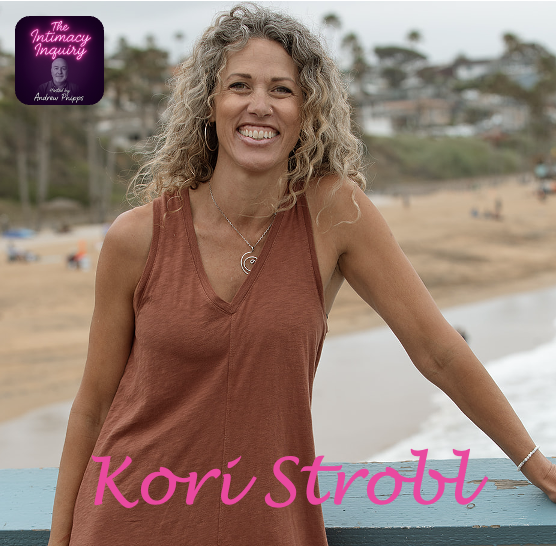
The Intimacy Inquiry
Listen to the full episode here
Kori Strobl spent two decades doing the emotional labour of people-pleasing before learning to hold boundaries instead of just setting them. A self-leadership and relationship coach with a master's in spiritual psychology, she works with couples both individually and together, a combination most therapists are trained to avoid.In this conversation, Andrew and Kori talk about the real difference between a boundary and a request, why chemistry so often gets mistaken for compatibility, how victim/villain thinking keeps couples stuck, and why some differences between partners are simply irreconcilable, without either person being at fault. They also cover ethical non-monogamy, the modern loneliness epidemic, and why the body often knows what the mind hasn't caught up to yet.
Released Aug 18, 2026
1hr2min -
![]()
The Not So Bad Bachelor Pad
Watch the full episode here
Are you a people pleaser—or have you been abandoning yourself without realizing it?In this episode of The Not So Bad Bachelor Pad, Josh sits down with Kori Strobl to explore why people-pleasing isn't about being "too nice"—it's often driven by anxiety, fear of rejection, and the need for external validation.
We discuss why boundaries feel so hard to maintain, what self-abandonment actually looks like in relationships, the difference between chemistry and capacity, and why healing often feels harder before it gets easier. In this episode:
• Why people-pleasing quietly destroys relationships
• The difference between setting and holding boundaries
• How relational anxiety keeps you stuck
• Signs you're abandoning yourself without realizing it
• Practical ways to reconnect with yourself and build healthier relationships
If you've ever struggled to say no, avoided conflict to keep the peace, or felt like you've lost yourself in a relationship, this conversation is for you.
Released Aug 1, 2026
58min -
![]()
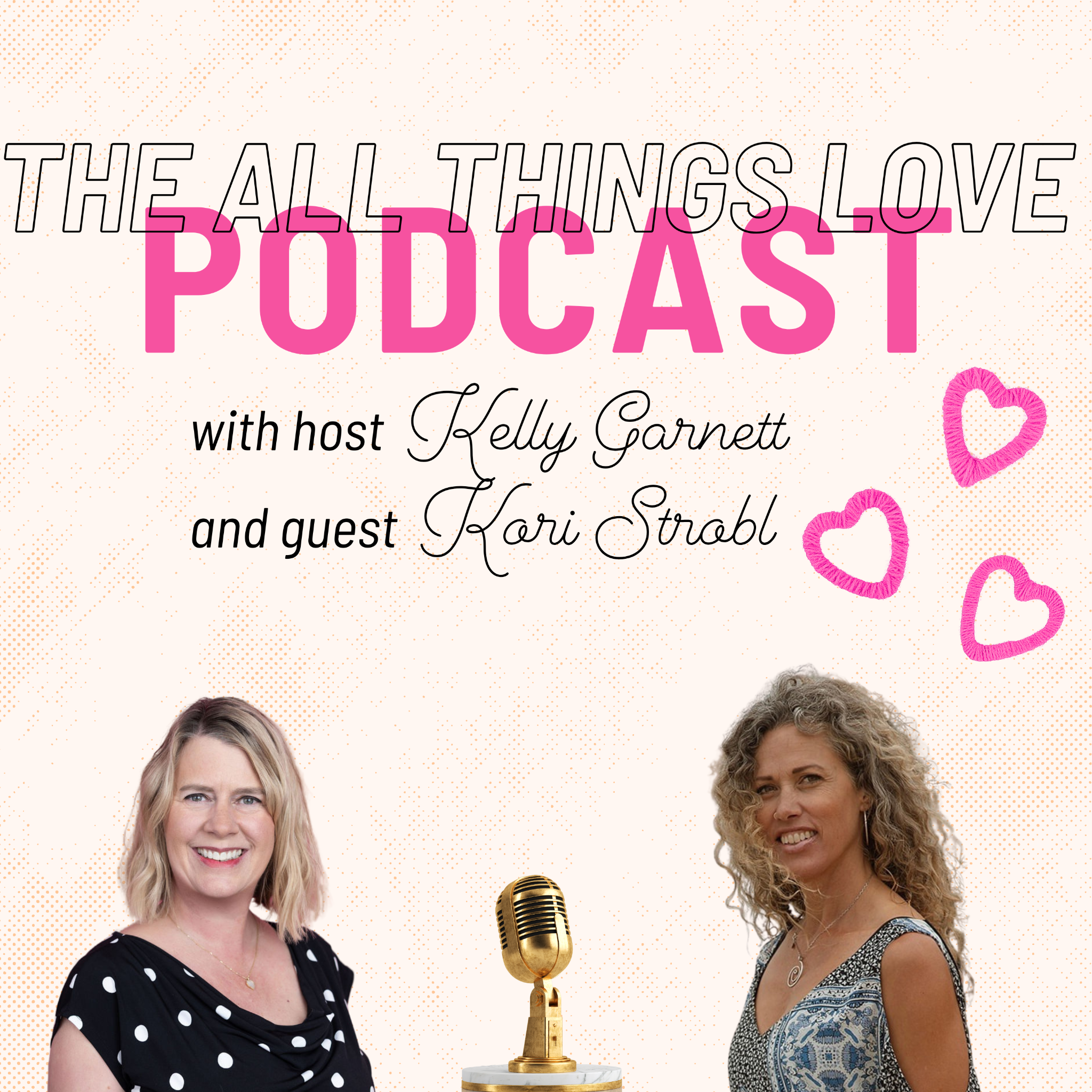
The All Things Love Podcast
Watch the full episode here
I had the pleasure to talk with People Pleasing Expert and Life Coach, Kori Strobl. We discussed how people pleasing affects how we date and do relationships. And how, most importantly, it affects our ability to love and be loved.About Kori: Kori Strobl spent years giving a cup and hoping for a crumb — and calling it enough. She was generous, emotionally fluent, doing all the work, and quietly exhausted. She knew the people-pleasing conversation inside and out. She was even teaching it. And still waiting for others to confirm her changes were okay. That honest reckoning led her to a framework that goes deeper than boundaries and boldness — to the relational anxiety underneath the behavior, the self-abandonment at its core, and the terrifying, worthwhile work of actually changing. Kori holds a Master's in Spiritual Psychology, has been coaching privately for over a decade, and is the creator of A Recovering People-Pleaser's Guide to Belonging to Yourself.
Released June 19, 2026
35min

To inquire about having Kori on your podcast or as a speaker, reach out directly:
Email: kori@koristrobl.com Website: koristrobl.com